
If you are wondering Why My Car Key Is Not Recognised by Immobiliser? you are not alone. This is a common issue faced by many car owners, especially with modern vehicles that rely heavily on electronic security systems. An immobiliser is designed to prevent theft by ensuring that only a properly programmed key can start the engine. When the system fails to recognize your key, it can leave you stranded and frustrated. Understanding the possible reasons behind this problem can help you identify the cause and find the right solution quickly.
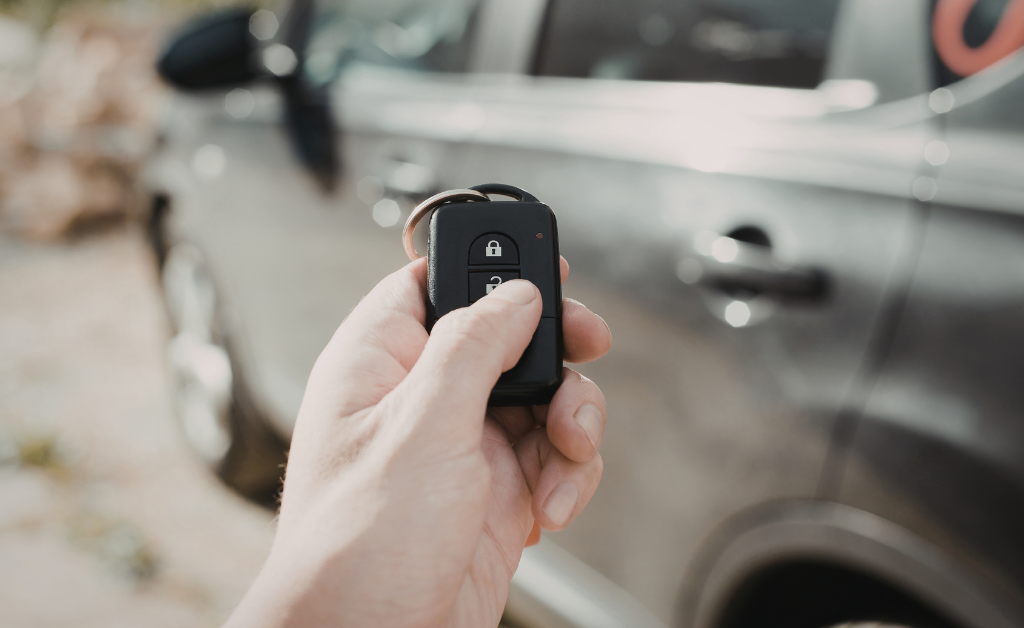
Understanding Why My Car Key Is Not Recognised by Immobiliser
To fully grasp why my car key is not recognised by immobiliser, it is important to understand how the immobiliser system works. Modern car keys contain a small electronic chip known as a transponder. When you insert the key into the ignition or press the start button, the immobiliser system sends a signal to the chip. The chip then responds with a unique code that must match the one stored in the car’s system. If the code matches, the engine starts. If it does not, the immobiliser blocks the engine from running.
When the key is not recognized, it means this communication process has failed. The issue could lie in the key, the immobiliser system, or even external factors that interfere with the signal.
Common Reasons Why My Car Key Is Not Recognised by Immobiliser
Dead or Weak Key Fob Battery
A low or dead battery in your key fob can prevent the transponder from sending a strong signal, causing the immobiliser to fail to recognise the key.
Faulty or Damaged Transponder Chip
If the chip inside the key is damaged or worn out, the immobiliser system cannot read the unique code required to start the engine.
Signal Interference
External electronic devices or strong electromagnetic signals can block or distort the communication between the key and the immobiliser.
Immobiliser System Malfunction
A fault within the vehicle’s immobiliser unit itself can stop it from properly detecting or validating the key.
Key Programming Issues
If the key has lost its programming or was not correctly programmed, the immobiliser will not accept it as a valid key.
Vehicle Battery Problems
A weak or dead car battery can affect the immobiliser system, preventing it from functioning correctly.
Damaged Ignition Barrel or Receiver
Wear and tear in the ignition system or the receiver that reads the key signal can lead to recognition failure.
Use of Spare or Incorrect Key
Using a non-programmed spare key or a key from another vehicle will not match the immobiliser’s stored codes.
Water or Physical Damage to Key
Exposure to water or physical impact can damage the internal electronics of the key, affecting signal transmission.
Wiring or Electrical Faults
Issues in the car’s wiring or electrical system can interrupt communication between the immobiliser and the key.
Aftermarket Modifications
Installed accessories like alarms or remote start systems may interfere with the immobiliser’s operation.
ECU or Software Glitches
Software errors in the Engine Control Unit (ECU) can prevent proper communication with the immobiliser system.
Why My Car Key Is Not Recognised by Immobiliser After Battery Change
Many drivers experience issues with why my car key is not recognised by immobiliser after replacing the car battery. This happens because disconnecting the battery can reset the car’s electronic systems. When the system resets, it may temporarily lose synchronization with the key.
In such cases, the solution is often simple. Reprogramming or re-syncing the key with the car can restore normal function. Some vehicles allow you to do this manually by following specific steps, while others require professional diagnostic tools.
Why My Car Key Is Not Recognised by Immobiliser in Cold Weather
Weather conditions can also play a role in why my car key is not recognised by immobiliser. Cold temperatures can affect both the key and the car’s electronic systems. Batteries tend to lose efficiency in the cold, which can weaken the signal from your key.
Additionally, moisture or condensation inside the key or ignition system can interfere with communication. If you notice that the problem occurs mainly during winter, warming the key slightly or replacing the battery may help resolve the issue.
Why My Car Key Is Not Recognised by Immobiliser Intermittently
If you are dealing with an intermittent issue and asking yourself why my car key is not recognised by immobiliser, the problem may be harder to pinpoint. Intermittent faults are often caused by loose connections, worn-out components, or signal interference.
For example, if the key works sometimes but not always, it could indicate a failing transponder chip or a weakening signal. Similarly, issues within the immobiliser’s antenna ring around the ignition can cause inconsistent recognition of the key.
How a Faulty Key Causes Immobiliser Issues
A faulty key is one of the primary reasons behind why my car key is not recognised by immobiliser. The transponder chip inside the key is delicate and can be damaged by physical impact or exposure to water.
If the chip is damaged, it cannot send the correct code to the immobiliser. In such cases, even though the key may still physically fit into the ignition and turn, the engine will not start. The only solution is to repair or replace the key and have it programmed to your vehicle.
How Immobiliser System Faults Affect Key Recognition
Sometimes the issue is not the key but the car itself. If you are trying to understand why my car key is not recognised by immobiliser, you should consider the possibility of a malfunctioning immobiliser system.
Problems such as a faulty control unit, damaged wiring, or a defective antenna can prevent the system from detecting the key. These issues usually require professional diagnosis using specialized equipment. Ignoring such problems can lead to complete immobiliser failure, making the car unusable.
The Role of Key Programming in Immobiliser Recognition
Another important factor in why my car key is not recognised by immobiliser is key programming. Each key must be programmed to match the car’s immobiliser system. If the programming is lost or corrupted, the key will no longer be recognized.
This can happen after certain repairs, battery replacements, or software updates. Reprogramming the key is often necessary to restore proper communication between the key and the immobiliser.
Why Spare Keys May Work When Primary Keys Fail
If you have a spare key, it can help diagnose why my car key is not recognised by immobiliser. If the spare key works perfectly while the primary key does not, the issue is likely with the original key.
This could be due to a damaged transponder chip, worn-out key components, or signal issues. Using the spare key temporarily can keep you mobile while you arrange for a replacement or repair of the faulty key.
How Signal Interference Causes Immobiliser Problems
Here are clear bullet points explaining how signal interference causes immobiliser problems:
- Signal interference disrupts communication between the car key (transponder) and the immobiliser system.
- The immobiliser relies on radio frequency signals; interference can block or weaken these signals.
- Common sources include mobile phones, Wi-Fi routers, and other electronic devices.
- Strong electromagnetic fields can prevent the key from being recognized.
- Interference may cause delayed or failed engine start attempts.
- In some cases, the immobiliser may falsely detect an unauthorized key.
- Nearby vehicles with similar frequency systems can create signal clashes.
- Faulty or damaged key fobs are more vulnerable to interference issues.
- Environmental factors like power lines or radio towers can contribute to signal disruption.
- Aftermarket electronic accessories (alarms, trackers) may interfere with immobiliser signals.
- Low key battery combined with interference increases the chances of failure.
- Intermittent interference can lead to inconsistent starting problems.
- Repeated interference may trigger the vehicle’s anti-theft system unnecessarily.
- Parking in high-interference areas (e.g., near communication hubs) can worsen the issue.
- Resetting the system or moving to a different location can sometimes resolve the problem.
What to Do If Your Car Key Is Not Recognised
If you are dealing with why my car key is not recognised by immobiliser, there are several steps you can take. Start by checking the key fob battery and replacing it if necessary. If the problem persists, try using a spare key to see if the issue is with the key or the car.
You can also try re-syncing the key with the car by following the manufacturer’s instructions. If none of these steps work, it is best to consult a professional locksmith or a dealership for further diagnosis and repair.
When to Call a Professional Locksmith
Understanding why my car key is not recognised by immobiliser is helpful, but some issues require expert assistance. A professional locksmith has the tools and expertise to diagnose and fix key and immobiliser problems.
They can test the transponder chip, reprogram keys, and repair or replace faulty components. In many cases, a locksmith can provide a quicker and more cost-effective solution than a dealership.
Preventing Immobiliser Key Recognition Issues
Preventing why my car key is not recognised by immobiliser starts with proper care and maintenance. Avoid dropping your keys or exposing them to water. Replace key fob batteries regularly and keep your keys away from strong electronic interference.
It is also a good idea to have a spare key programmed and ready. This not only provides a backup but also helps you quickly identify whether the issue lies with the key or the vehicle.
Frequently Asked Question About Why My Car Key Is Not Recognised by Immobiliser:
Why my car key is not recognised by immobiliser suddenly?
If you are facing why my car key is not recognised by immobiliser suddenly, the most common reasons include a dead key fob battery, a damaged transponder chip, or a temporary system glitch. Sometimes, the immobiliser may lose synchronization with the key, especially after a battery change or electrical issue.
Can a dead battery cause why my car key is not recognised by immobiliser?
Yes, in many modern vehicles, a weak or dead battery in the key fob can lead to why my car key is not recognised by immobiliser. While some transponder chips work without a battery, smart keys rely heavily on battery power to communicate with the car.
Why my car key is not recognised by immobiliser but the key turns in ignition?
This usually means the mechanical part of the key is fine, but the electronic chip is not being detected. In this case, why my car key is not recognised by immobiliser is likely due to a faulty or unprogrammed transponder chip.
Can I fix why my car key is not recognised by immobiliser myself?
You can try simple fixes such as replacing the key fob battery, using a spare key, or re-syncing the key with the car. However, if the issue persists, resolving why my car key is not recognised by immobiliser may require professional tools and expertise.
Why my car key is not recognised by immobiliser after replacing car battery?
Disconnecting the car battery can reset the immobiliser system, causing it to lose communication with the key. This is a common reason behind why my car key is not recognised by immobiliser, and it usually requires reprogramming the key.
Can a locksmith fix why my car key is not recognised by immobiliser?
Yes, a professional auto locksmith can diagnose and fix why my car key is not recognised by immobiliser. They can reprogram keys, repair damaged chips, or identify faults in the immobiliser system.
Conclusion
Dealing with why my car key is not recognised by immobiliser can be frustrating, but understanding the underlying causes makes it easier to resolve. Whether the issue is a faulty key, a weak battery, a programming error, or a problem with the immobiliser system itself, there are solutions available.
By identifying the cause and taking the appropriate steps, you can get your car back on the road without unnecessary stress. Regular maintenance, proper key care, and having a spare key can go a long way in preventing such issues in the future.